InMotion 2026 Blog
Last weekend was truly inspiring! It marked my second year of InMotion with my company, Emma Youell Design.
Despite coming to the end of this year's summer, filled with continuous blue skies and bright, sunny, luxurious days out. My mind began to be overshadowed by the tiresome thought of preparing for the cold, wet and dreary winter months ahead with the lack of fresh creative imagination.
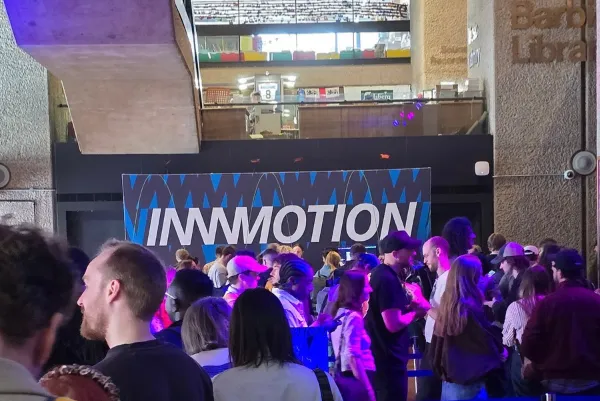
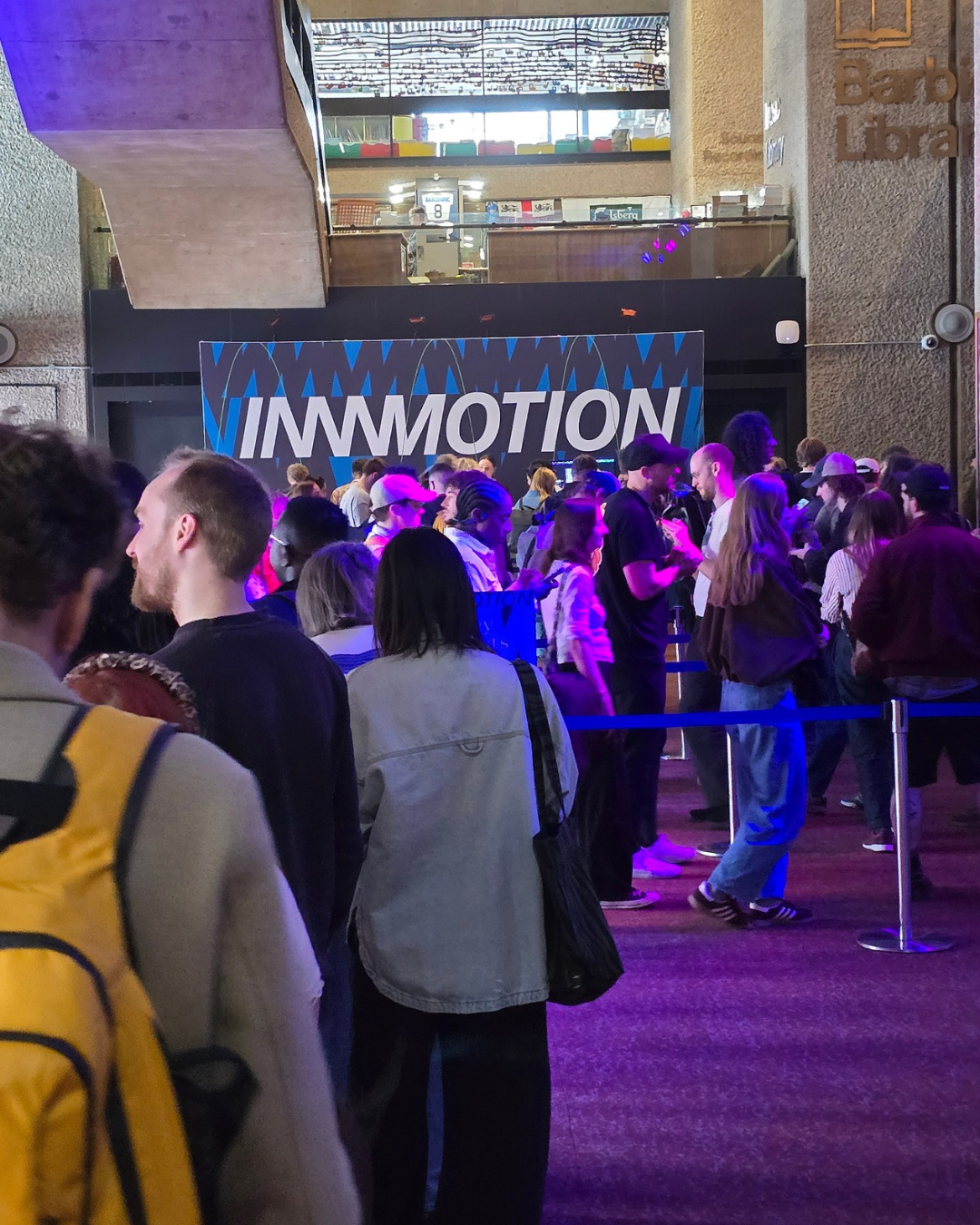
Walking through the Barbican's double doors in the city of London gave me a breath of fresh air that I didn’t realise I needed. There was an endless line leading to the entrance, packed with the finest people of the digital industry who were eager to fill their minds with creative ideas, possibilities and imagination.
It felt like being back at university, where my younger self was fueled by the excitement of countless possibilities this industry has to offer.
We are better than this
After grabbing my entry wristband, I ventured to my first panel, ‘We are better than this’.
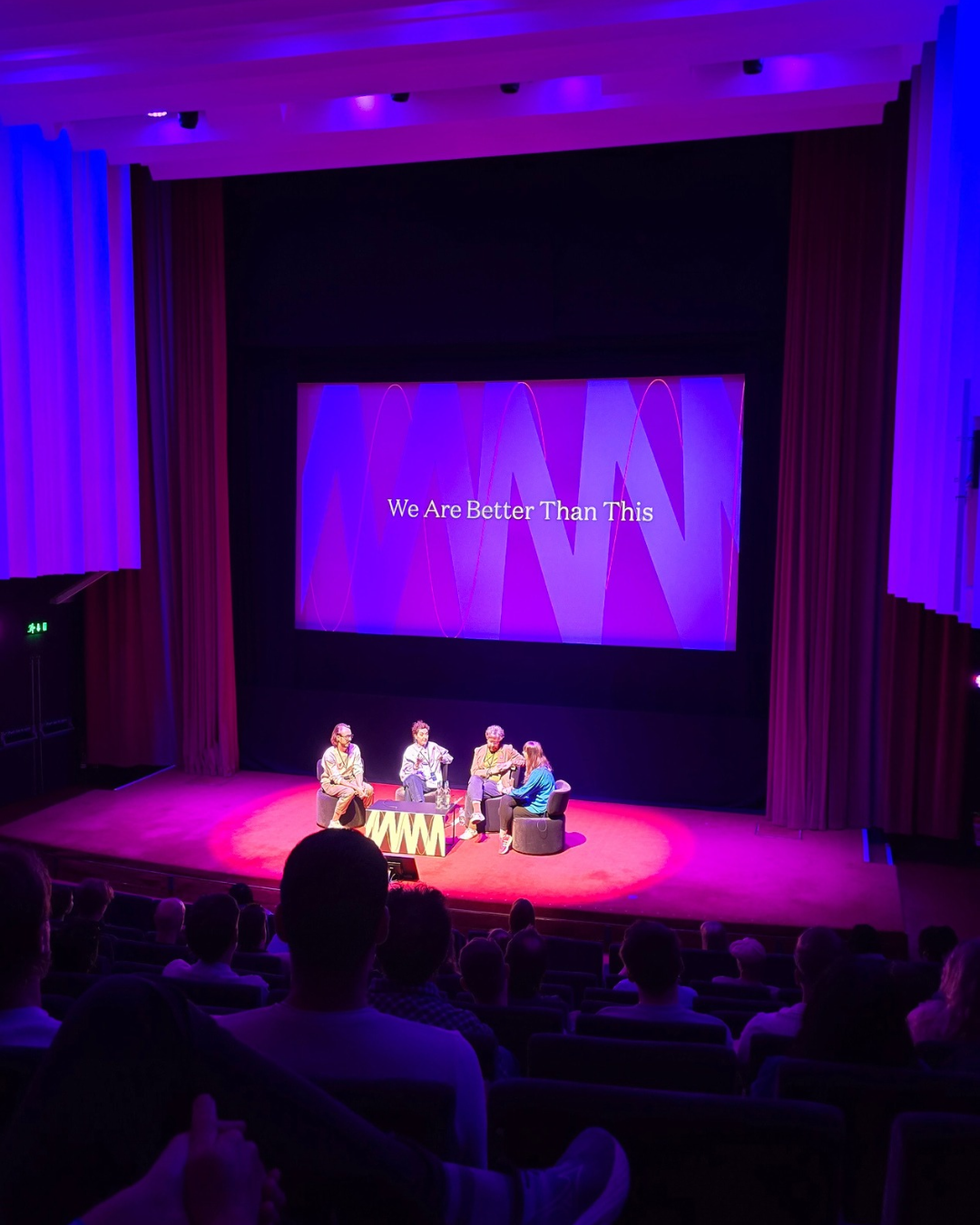
A group of children’s book illustrators and authors explained the struggles competing with Big Tech companies and the rise of generative AI across the cultural landscape.
It is a subject we all fear as creative ambassadors of our businesses. Rest assured that this panel gave me a sense of relief, reassurance and motivation to do better.
They discussed situations where businesses struggle to adopt AI, leaving our fellow creatives to tidy and fix significant problems AI has previously created and could not resolve. The industry is always hungry for fresh non-generative AI ideas, skills and resources. Rather than Big Tech companies singularly using AI, working alongside creative minds and using AI as a helpful tool will help bring a positive future for digital jobs and our industry.
Another panel soon after, hosted by Buck, demonstrated how animators and AI can produce high-quality 3D environments.
She dived deep into designing 3D environments from scratch, with backgrounds and assets developed by animators, whilst others were created using AI to enrich the scene.
After experiencing the process, I feel AI can be useful to cut the workload in half so that there is more time for the animator to design even further assets or any last-minute changes.
During the lunchtime period, I found myself delving into the types of tools creatives were using to spark their imagination, such as Wacom. Focusing on digital character designs and sculpting, the tablet felt as if I was drawing on paper! Callipeg had its own booth too, showcasing its unique 2D animation software that allows drawings to be animated on tablets. What stood out when using the software for a short time was how simple the animation process was. I generally feel Callipeg is a very useful tool when drawing a concept/idea quickly and to test how to execute animations for future projects; this could be a useful software to adopt for my own business.
Overall, I enjoyed being in a room full of creatives experimenting on these platforms and how it can be beneficial in real-life situations as well as during my spare time, keeping my creative imagination on top form. Seeing what people come up with sparks a sense of enthusiasm and fresh ideas.
Loek Vugs
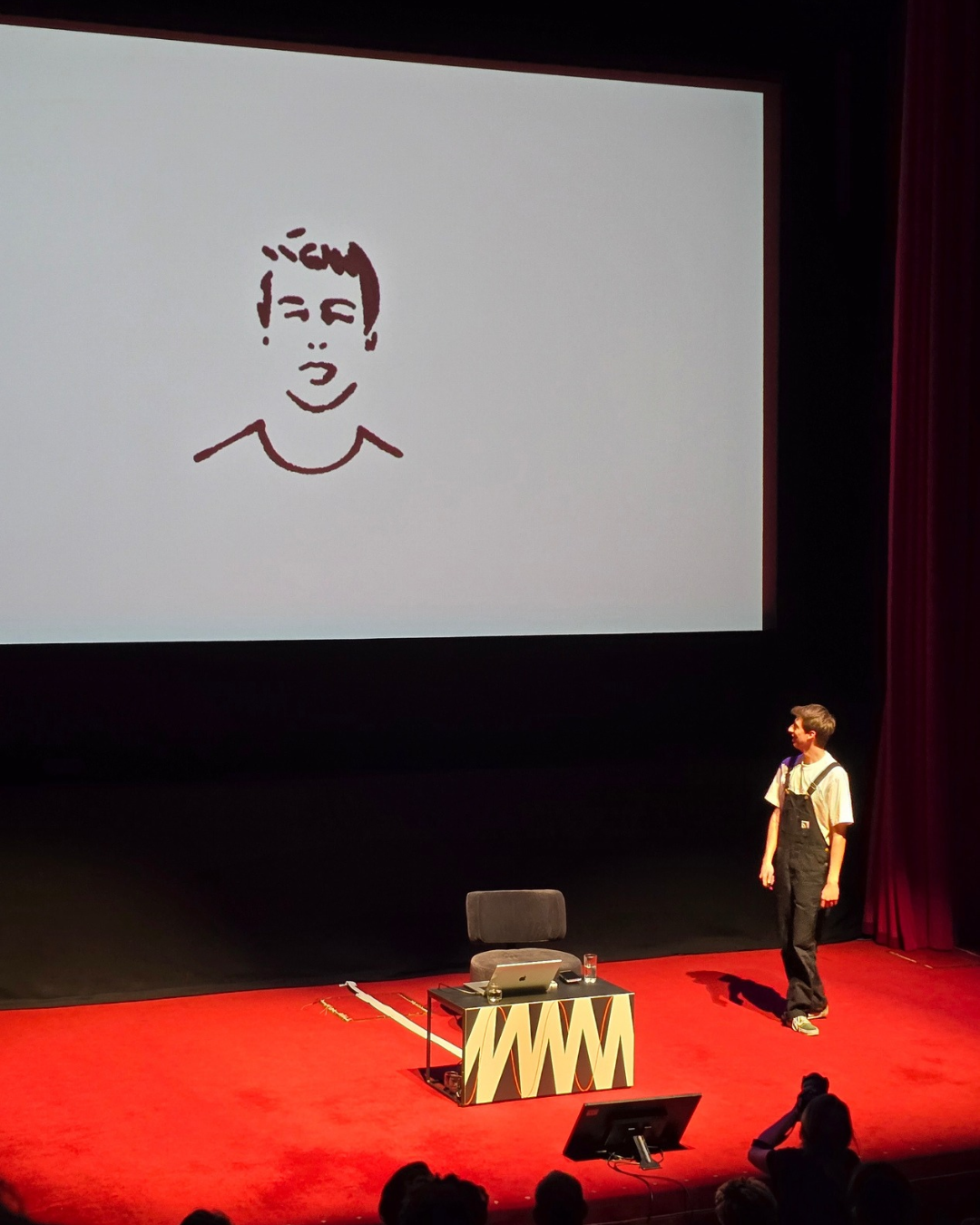
Theatres and cinema rooms were always filled with creatives, seeing many of the greatest leading artists and studios. Many of them have inspired me in different skills and styles, such as Loek Vugs.
He is an animator and teacher from the Netherlands who produces minimalistic designs and visuals. What I liked about his work was that he executes great pattern animations and personal storytelling by using simple shapes and lines in a way that is visually engaging.
It made me realise not all animations need a complex structure or pipeline. Keeping simplicity can help explain the narrative more efficiently. Designing animations on a continuous loop was one of his many strengths that kept the audience in awe.
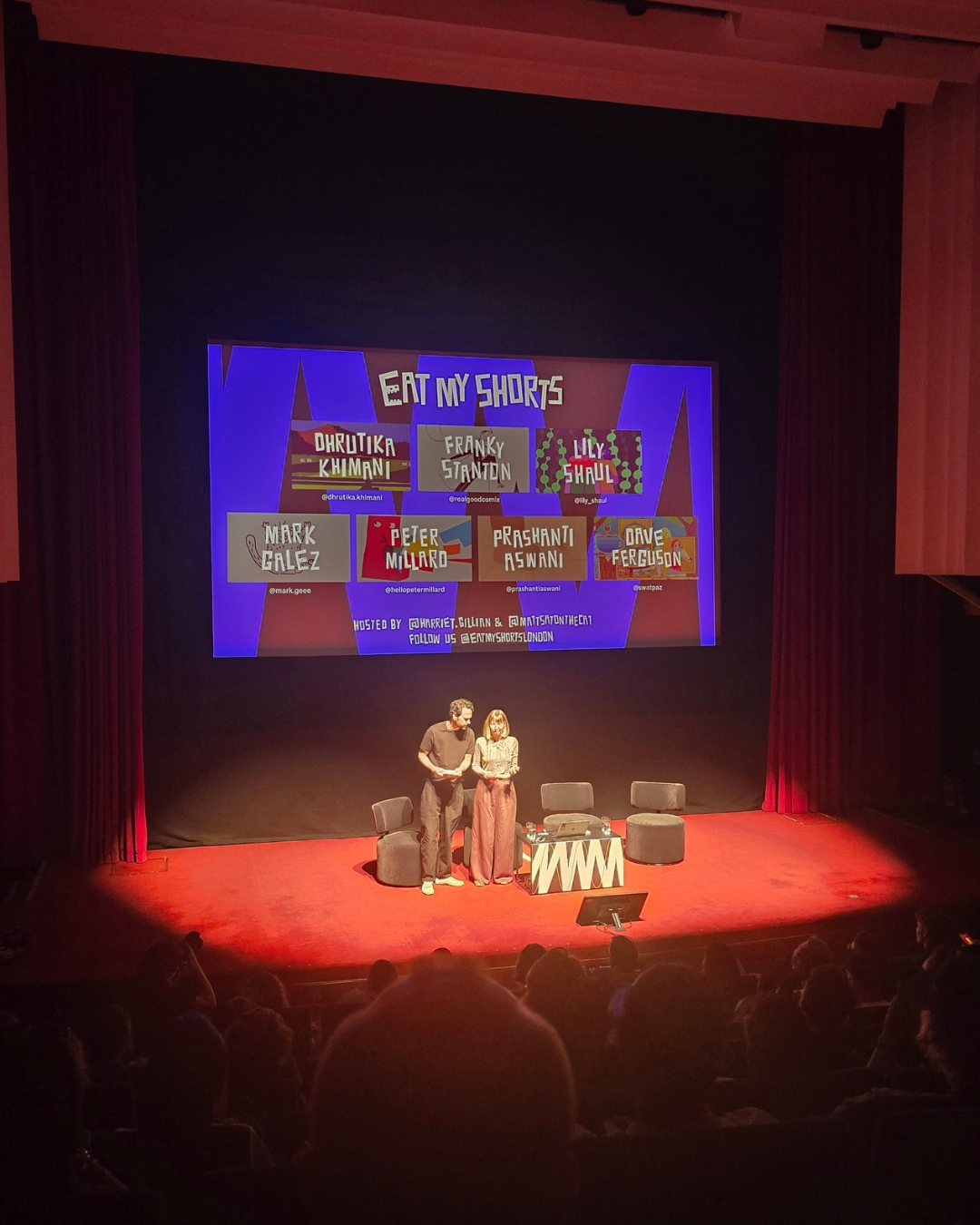
Eat My Shorts
Unique storytelling was also shown in a panel called ‘Eat My Shorts’ where different animators produce short films with low to no budget.
Dave Ferguson is the artist whose comedy short film stood out to me the most.
His brilliant animated style of using game huds (heads-up displays) such as ‘health bars’ as a level of how desperately you need the toilet in a medieval setting gave everyone a great laugh!
It also made me realise that sound and voice design can play a significant role in short films, as it can be easily forgotten but can keep the audience tied to the story.
Persistence is key
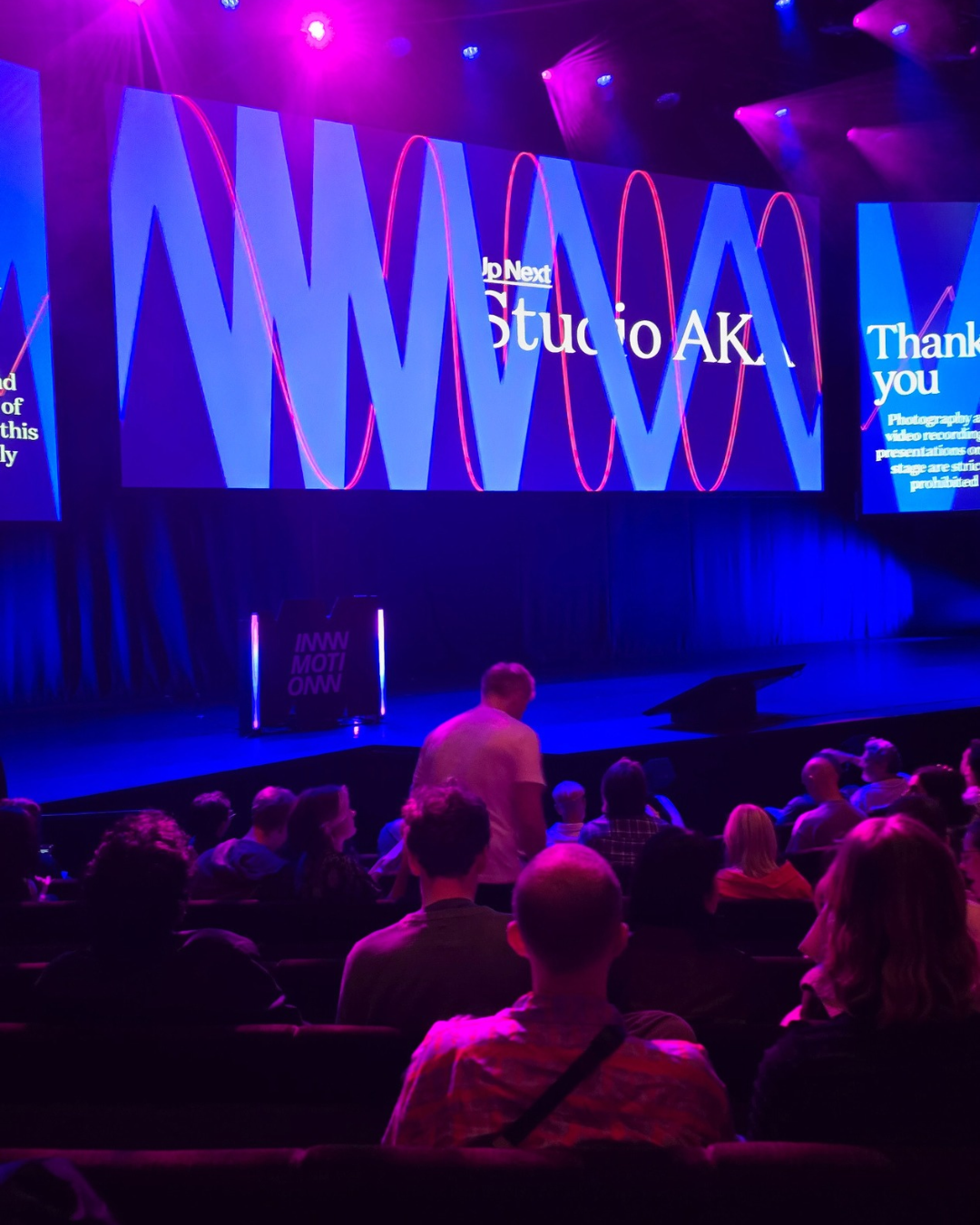
Studio AKA is a multi-BAFTA winning animation studio located in the theatre room this year; there is no doubt they are one of the leading pioneers of the industry.
Showcasing a seven-year project called ‘Picatopia’. It tells the story of a dystopian multi-floor tower universe that was originally adapted from a graphic novel written by Marc Craste.
The idea originally came from a project for Channel 4 that was supposed to be used as a commercial break, but unfortunately was turned down. Leaving the program to scrap the idea entirely. This led Marc to pursue the idea further, eventually producing its own identity for a series. It made me realise that persistence is key, and if you have a great story to tell, never give up. One person’s rejection can become another person’s opportunity.
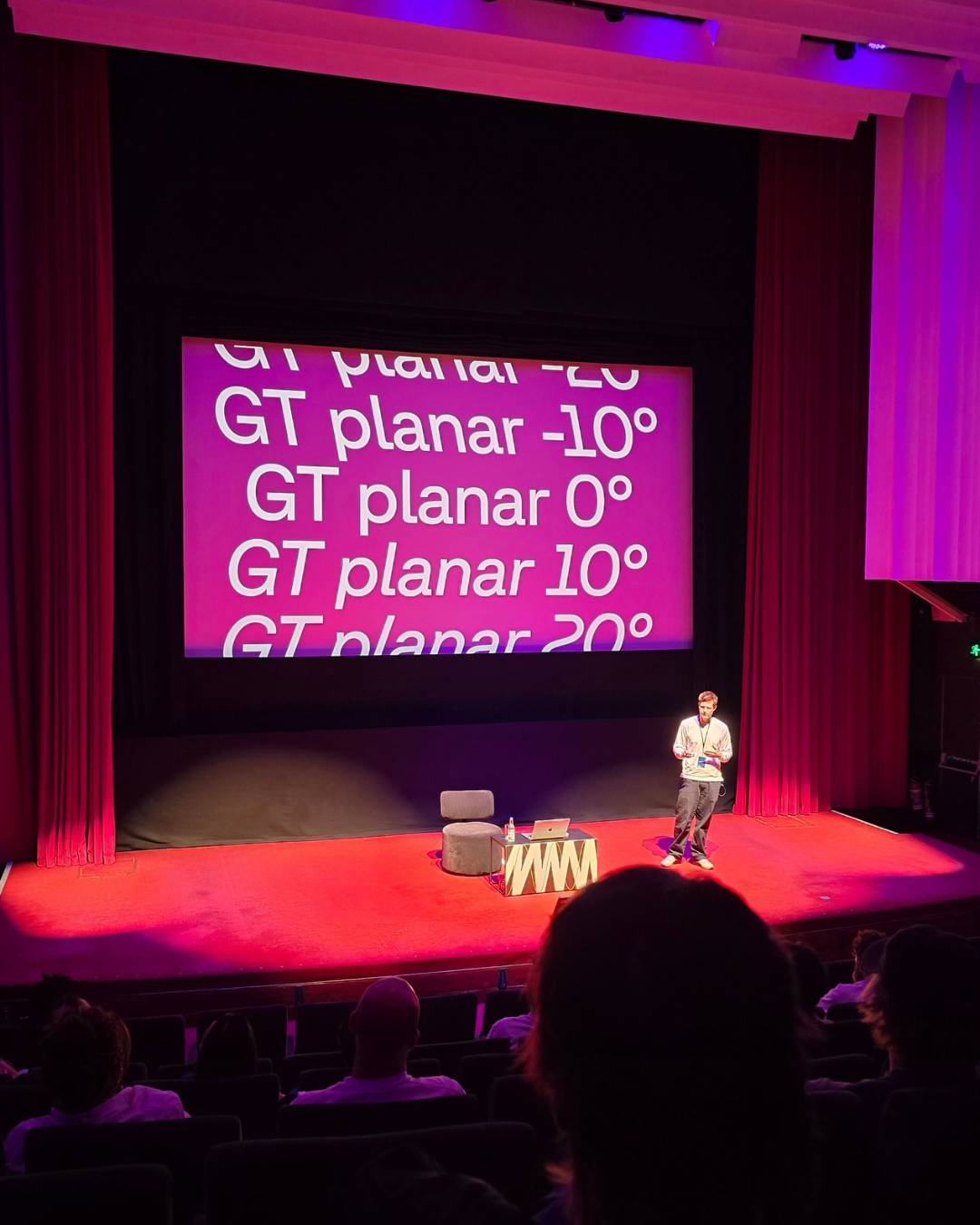
Great examples of brand design using typography were also showcased from a Dutch studio called Thonik.
They demonstrated that by using basic shapes and lines, you can develop different types of letters with its own font style in order to represent a type of brand.
I found out that just extruding and stretching fonts can give a word a genre, or its own character, so that audiences can understand what product they are advertising.
Stop motion
Stop motion workshops were the trend at this year's InMotion, spread throughout the halls of the Barbican.
Filled with hungry creative designers who were hooked on the idea of making their own character come to life by using colourful paper cutouts. Each movement had its photo taken on a megapixel camera, which was eventually played back in a sequence.
This got me thinking about how this style could be applied to advertising or explainer videos. For example, everyday school essentials such as paper, pens and notebooks could be brought to life in a playful ‘Back to school’ campaign. The same approach could be used for campaigns related to hospitals for light-hearted comedies to keep audiences visually entertained.
These workshops were a good reminder that materials can create engaging results.
I could go on and write about so many more things I have experienced, but this year's InMotion has reminded me that creativity is something that needs to be continuously challenged and explored. Not only did it give me the chance to step away from a computer screen, but it also gave me the chance to explore what was happening in modern trends and the industry.
From the struggles and benefits of AI and platforms to typography and unique storytelling. I was refreshed by the excitement for what I can bring to the table for my business and my own work. Turning that inspiration into action rather than allowing ideas to be forgotten. Platforms such as Callipeg can be a useful tool for my business, exploring simple shapes and morphing them into typography and experimenting with stop motion for future projects.
I also want to use AI more thoughtfully moving forward, using it as a tool to support the production process rather than replacing the ideas that make a project unique and personal.
The biggest thing I would take from InMotion 2026 is that curiosity can fuel the mind with imagination, and sometimes the smallest ideas can lead you down a bigger path.
