
How a clinical psychologist went viral
“Why Has Nobody Told Me This Before?”
If you’re on social media, you’ve probably heard of Dr Julie Smith. She’s a clinical psychologist, bestselling author, and viral content creator. She built her business alongside her job in the NHS before running her own private practice for almost a decade.
Dr Julie, as she’s now known, began sharing short, informative videos on social media in 2019. She speaks about mental health topics, including anxiety, fear and depression, and confidence, and has amassed an audience of over 10 million people. She’s the go-to online resource for mental health tips and tricks.
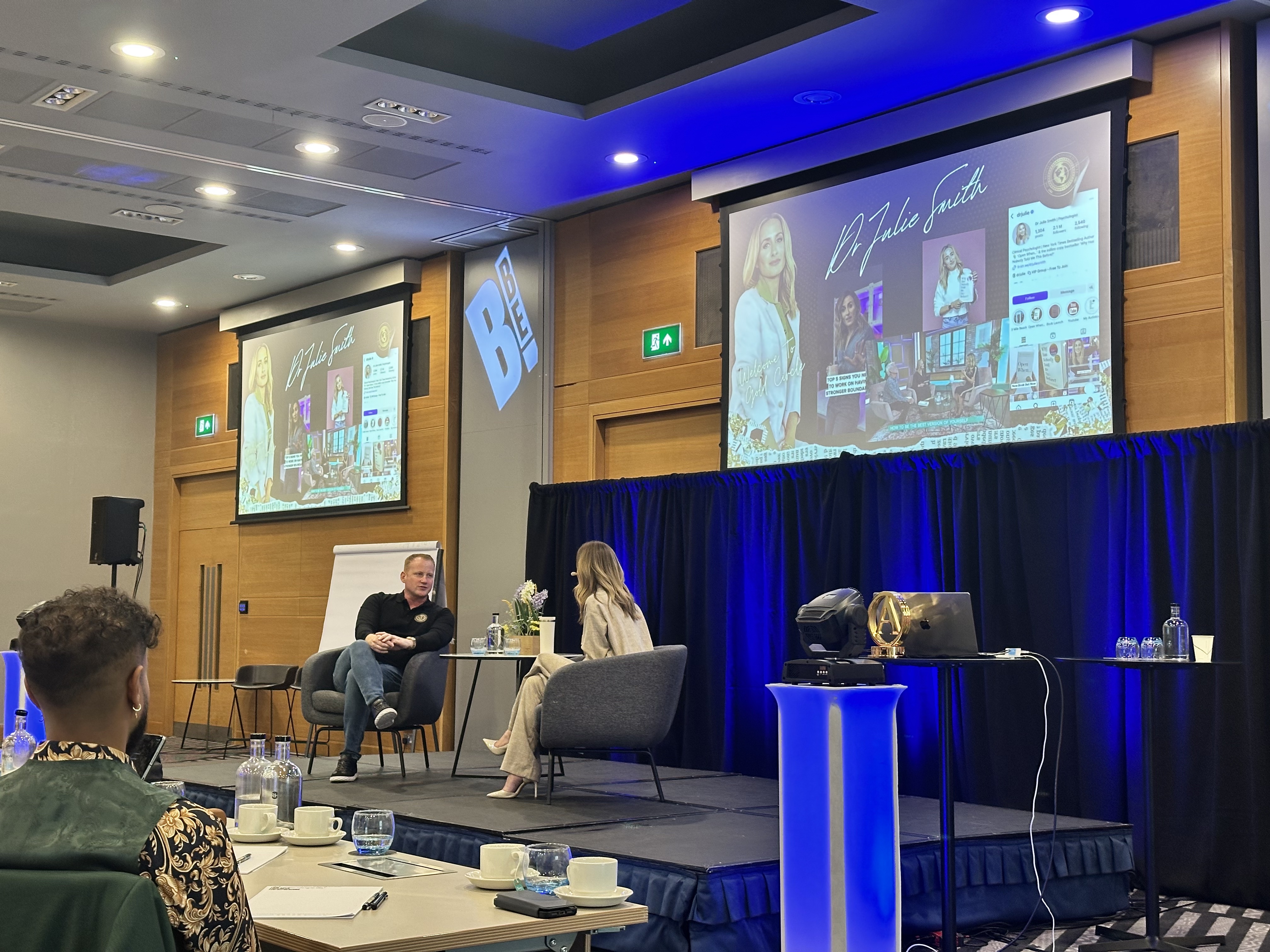
Sunday Times Bestseller
Julie’s latest book, “Open When…”, went straight to number one in the Sunday Times and is a New York Times bestseller. Her debut book, “Why Has Nobody Told Me This Before?” was the bestselling non-fiction book of 2022, and held over 100 weeks in the Sunday Times top ten, placing it in the top 50 bestselling books of the last 50 years.
How did her incredible journey start?
Julie says,
“I was in the NHS for about ten years, and once I’d had two of my three children, I realised I couldn’t do it all. I had this small private practice, and during that time I realised lots of young people were coming along for therapy.”
Julie discovered many of these young people didn't need long term, in-depth therapy. Once they’d learned how the brain works, and how their feelings impacted their relationships, they no longer needed her services. But people kept asking, “Why has nobody told me this before?”
The early days
Julie’s business initially felt like a side project; she started making short videos for Instagram and YouTube, helping people for free. She said, "My main parameter is, "If we're making a video, the only criteria is that it could be helpful to someone. I'll make a video and know that there's a seed in there that, if the right person watches at the right time, they'll find useful."
Julie’s husband, Matt, helps her with the technical side of recording. He discovered TikTok and encouraged her to use it, although she felt the platform wasn’t right for her - she was concerned about what her professional peers would say. Eventually, she decided to give it a go. After the daily school run, she would put her phone on the dining room table and say something that she thought was useful.
Going viral
“The first viral video was a mistake,” she says. “Because I was filming in app on TikTok and I added music. I'd put the volume of the background music too high. All these people were saying, I can't hear what you were saying because the music was too loud.”
The error increased views on the video. But then Julie and Matt noticed a spike in messages, on socials and emails. People were finding the content useful and soon they were asking for videos on specific topics.
Julie still feared a professional backlash, and she didn’t even tell her family about her videos until they reached the 100,000 follower milestone. She knew that in the world of psychology and mental health, most people weren’t yet using social media professionally. She felt it would ruin her credibility, but she received mostly positive feedback from peers, particularly GPs, psychiatrists, and mental health workers.
A creative partnership
Matt drives the creative side, despite still running his own business, and Dr Julie gives him the credit for her visually exciting content. She is mindful of only speaking about expert subjects that she knows backwards, because she has worked hard to build trust with her audience.
However, like many small business owners creating content, Julie found it daunting to put herself out there. She recognised her fear as a natural stress response, particularly when she started doing live TV. She hated the idea of being in front of the camera and preferred 1:1 therapy.
Dr Julie says, “Live TV is just terror in your head if you're shy or introverted. You're catastrophising, and yet, the second and third time you do it, those thoughts are a little bit less. Now I can walk in, enjoy the whole thing and feel excited about it. Your brain is set up to give you a stress response when something feels novel, or different; it can't fully predict how it's going to go.”
Out of the comfort zone
Julie knows that if she makes a mistake, it doesn’t say anything fundamental about her as a person or her worth as a psychologist or business owner.
“I've been preaching to all these people on the internet about facing their fears and doing what's uncomfortable,” she said. “Stretching out of that comfort zone to learn new skills; all of this is practising what I preach.”
Dr Julie was unable to continue her 1:1 therapy work safely in light of her growing online presence, particularly when publishers started knocking on her door asking her to write a book. But she still wasn’t convinced that people would want to read what she had to say:
“Me and Matt didn’t want Penguin to regret giving us a deal,” she said. “So we got our heads down and did what we wanted to do: make good content, give it all for free, and give people the option. We're not trying to sell, we're saying, here's some really useful information if that's for you and you want more.”
Successful content creation
Many small business owners are on the same journey as Dr Julie, so here are her top tips:
● Don’t go ad-hoc
Julie and Matt often can spend days scripting just one video. When you only have 60 seconds, you have to make every one count.
● Organise yourself
Julie uses Notion to organise creative ideas, write, and edit scripts collaboratively with Matt.
● Don’t expect perfection
Learn as you go from the mistakes that you will inevitably make. It takes time and effort to create decent videos.
● Use a strong visual hook
If your subject isn’t sexy, this makes a big difference.
● Don’t overthink it
Analyse which videos get the best results, but don’t obsess with numbers.
● You don’t have to go viral
If you’re happy making content for a few hundred or a few thousand people, then roll with it.
● Balance opportunities
Going viral brings lots of opportunities, but weigh up what’s best for you and your family and align with your values.
● Have a backup plan
If this ended tomorrow, Julie would quite happily go back to delivering 1:1 therapy sessions with clients.
